History, huh
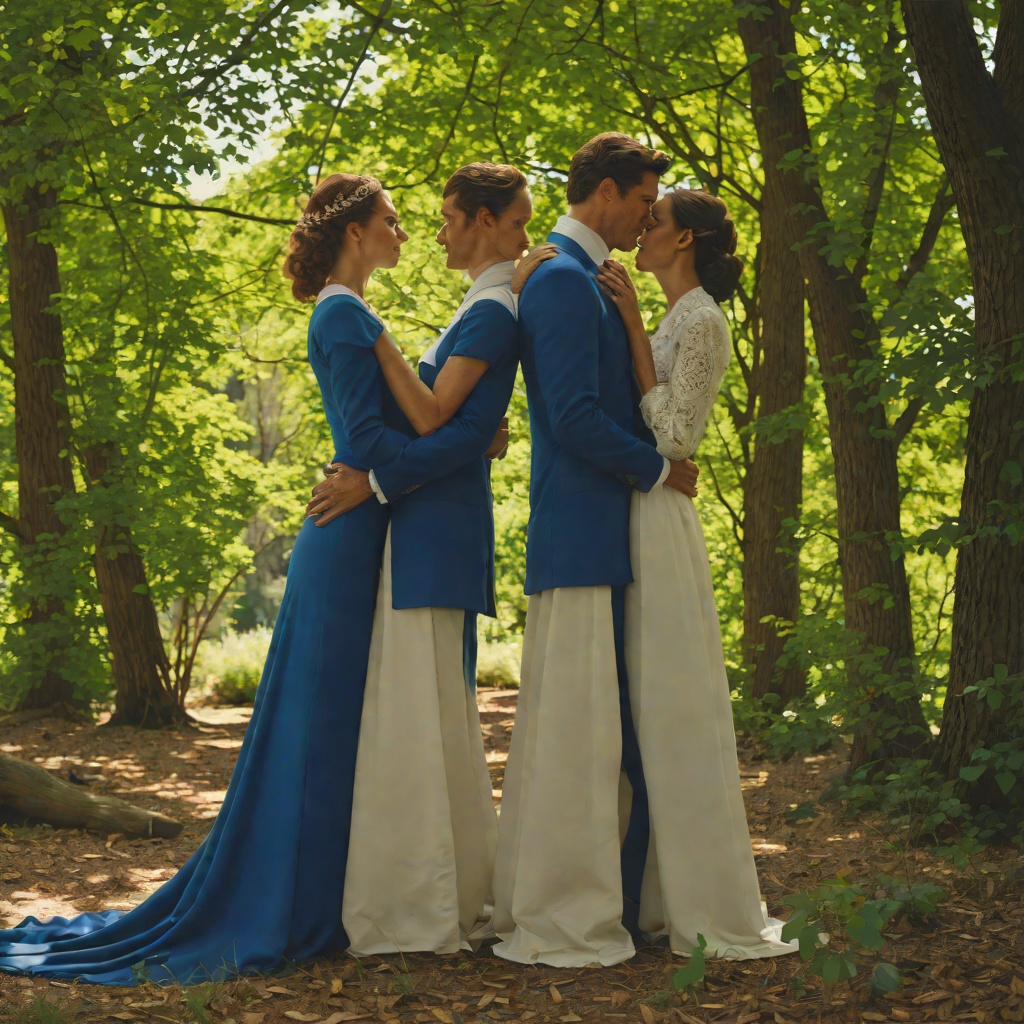
Red, White & Royal BlueHistory, huh? is the phrase that binds the private and public halves of Alex Claremont-Diaz and Henry's love story, evolving from a whispered joke in a late-night email into a worldwide slogan carried by strangers in the streets. It is at once a flirtation, a philosophical musing on legacy, a secret code between two lovers, and finally a banner under which the public rallies behind the First Son of the United States and the Prince of England. No other phrase in the novel travels so far from its origin, and no other captures so completely the book's central question of how two people in the glare of history might make a place for themselves within it.
Origin in the Email Correspondence
The phrase is born in the summer of 2020, in the aftermath of Alex's firing from his mother's presidential campaign. Exiled to his childhood bedroom and left with nothing to do but watch cable news, reread Harry Potter, and sort through old college papers, Alex writes to Henry in the early hours of August 10. He has just rediscovered an analysis he wrote of Alexander Hamilton's wartime correspondence, and he is struck by the romance of Hamilton's letters to John Laurens — signed "Yours" or "Affectionately yrs," with the final letter before Laurens's death signed "Yrs for ever." Alex muses that Hamilton could have been bisexual, and he quotes a passage from a letter Hamilton wrote to Laurens: "The truth is I am an unlucky honest man, that speak my sentiments to all and with emphasis. I say this to you because you know it and will not charge me with vanity. I hate Congress—I hate the army—I hate the world—I hate myself. The whole is a mass of fools and knaves; I could almost except you." Reading this, Alex thinks of Henry, and of himself, and of how he wonders how he will fit into history one day. He wishes people still wrote like that. Then comes the line that will outlive its context: "History, huh? Bet we could make some." He signs the email "Affectionately yrs, slowly going insane, Alex, First Son of Founding Father Sacrilege." The phrase is thus from its first utterance a proposal — a dare, even — that the two of them might do something worth remembering, spoken in the register of eighteenth-century love letters that Alex has just been mourning as a lost art.
Adoption as Private Love Language
Henry's reply, sent the same morning at 4:18 AM, treats the phrase with the same playful gravity. He addresses Alex as "First Son of Masturbatory Historical Readings" and confesses that the phrase "see attached bibliography" is the single sexiest thing Alex has ever written to him. He apologizes for Alex's firing, saying he feels it is his fault and that he should have known better than to turn up at the event that cost Alex his job. He offers Alex an out — if Alex wanted less of him and more of the work, the uncomplicated things, Henry says he would understand. But he also engages fully with the historical game Alex has proposed, admitting he has read Hamilton for several reasons: because Hamilton was a brilliant writer, because Alex was named after him and shares his alarming traits of passionate determination and never knowing when to shut up, and because a "saucy tart" once tried to impugn his virtue against an oil painting of Hamilton. He teases Alex about angling for a revolutionary soldier role-play scenario, noting that any trace of King George III blood in his veins would curdle and render him useless, and asks whether Alex is suggesting they exchange passionate letters by candlelight. The exchange establishes the phrase as a shared register of wit and longing — a way for two men who cannot be publicly together to speak of their feelings through the safe distance of historical analogy.
Transformation into Public Slogan
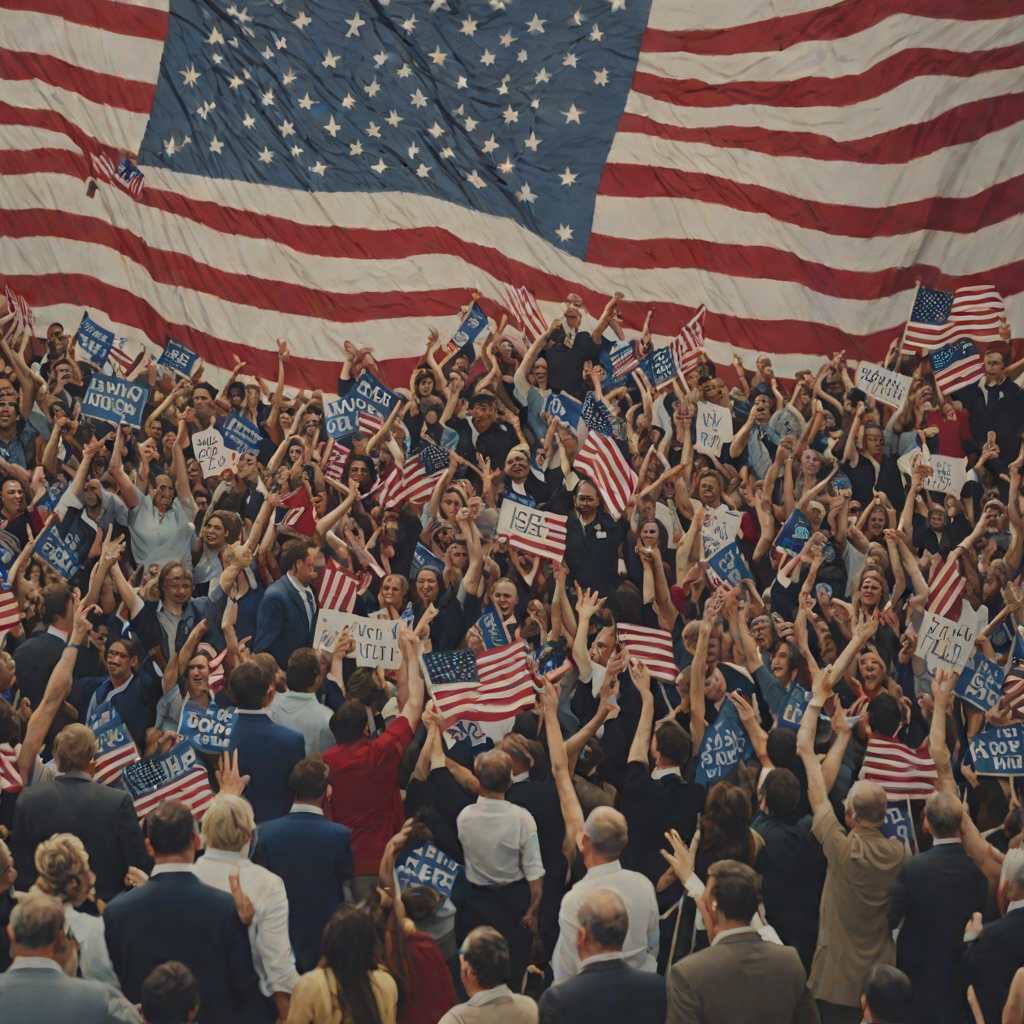
By the time the world learns of their relationship, the phrase has escaped the confines of their private correspondence and taken on a life of its own. In the aftermath of the scandal, a BBC news report shows worldwide support pouring in for Prince Henry and the First Son of the US. The images are overwhelming: a rally in New York outside the Beekman decked out in rainbows, with signs reading "FIRST SON OF OUR HEARTS"; a banner on a bridge in Paris reading "HENRY + ALEX WERE HERE"; a mural in Mexico City of Alex's face in blue, purple, and pink with a crown on his head; a crowd in Hyde Park with rainbow Union Jacks and Henry's face pasted onto poster boards reading "FREE HENRY"; a young woman with a buzz cut throwing two fingers up at the windows of the Daily Mail. And in front of the White House, a crowd of teenagers wearing homemade T-shirts that all say the same thing in crooked Sharpie letters — a phrase Alex recognizes from one of his own emails: "HISTORY, HUH?" The moment is almost too much for him. He tries to swallow and cannot, and when he looks up, Henry is looking back at him, mouth open, eyes wet. The phrase has become a public declaration of solidarity, a way for strangers to tell the couple that they believe in the history Alex once only dared to imagine.
The Mural and the Tweet
Alex encounters the phrase's power most directly when he stops his car to look at a mural that has appeared on a wall — two stories tall, beautiful, and impossible to imagine being assembled so quickly. It depicts Alex and Henry facing each other, haloed by a bright yellow sun, rendered as Han and Leia: Henry in all white with starlight in his hair, Alex dressed as a scruffy smuggler with a blaster at his hip. A royal and a rebel, arms around each other. The image fuses the couple's real romance with the language of the beloved science-fiction saga, casting their love as an epic rebellion against the forces that would keep them apart. Alex snaps a photo on his phone and, with shaking fingers, types out a tweet: "Never tell me the odds." The tweet is itself a Star Wars reference — Han Solo's defiant line before the assault on the Death Star — and it answers the mural's imagery with a promise of defiance. In quoting the odds-beating smuggler, Alex claims that same role for himself and Henry: the underdogs who beat the impossible odds of a public, royal, same-sex love affair. The phrase "History, huh?" is not on the mural, but the mural is its visual equivalent — a public claiming of a love story as something historic, something worth painting on walls.
Return to the White House and June's T-Shirt
When Alex returns to Washington, the phrase greets him in person. Stepping out of the limo on Pennsylvania Avenue, he finds June waiting in a bright yellow T-shirt that reads "HISTORY, HUH?" She tells him there is a guy selling them down the block, and that she got his card and plans to put it in her next column for Vogue. The moment is both comic and profound: the phrase that began as a private joke between lovers has become merchandise, a fashion statement, a column topic — and June, his sister, is wearing it as a badge of pride and solidarity. Alex launches himself at her, engulfing her in a hug that lifts her feet off the ground, and they topple sideways into a shrub, "as Alex was always destined to do." The phrase has now completed its journey from email to street, from secret to slogan, from a wish about the future to a statement about the present. It is the thread that ties together the novel's epistolary beginnings, its public scandal, and its triumphant resolution.
Significance as Motif
The phrase functions as the novel's central motif for the relationship between private feeling and public history. It begins as a wish — "Bet we could make some" — and ends as a fact, a thing that has been made, witnessed, and celebrated by crowds around the world. The teenagers' T-shirts, June's shirt, the mural, the tweet: all of them take a phrase that was once only between two people and make it common property. In doing so, they answer the question Alex posed in his original email — how he will fit into history — with a collective verdict: he and Henry have made history, and the world has decided to remember it. The phrase also carries the novel's argument about love and legacy: that the most personal feelings can become the most public facts, and that two people who dared to love each other against all odds have earned their place in the story of their time. "History, huh?" is thus not merely a catchphrase but a thesis — a claim that love, even forbidden love, can write itself into the record of the world.